
Sri Lanka - Beauty & Discomfort
The ceiling fans whip above our heads at an alarming rate, trying to keep pace with the mid-afternoon humidity as those of us sampling afternoon tea on the veranda at the Amangalla Hotel in Galle attempt to tread the fine line between refinement and simply keeping cool, all while downing cups of hot tea.
It is a slightly nostalgic afternoon for a period of time of which I have no living knowledge. Anemoia, to quote my musician friend Yarni.
The building itself has lived several lives. Once the headquarters of the Dutch East India Company, later Galle’s first hotel under British rule, and now a quietly polished luxury stay.
Like many places on the island, Sri Lanka still carries clues of its European colonial past.
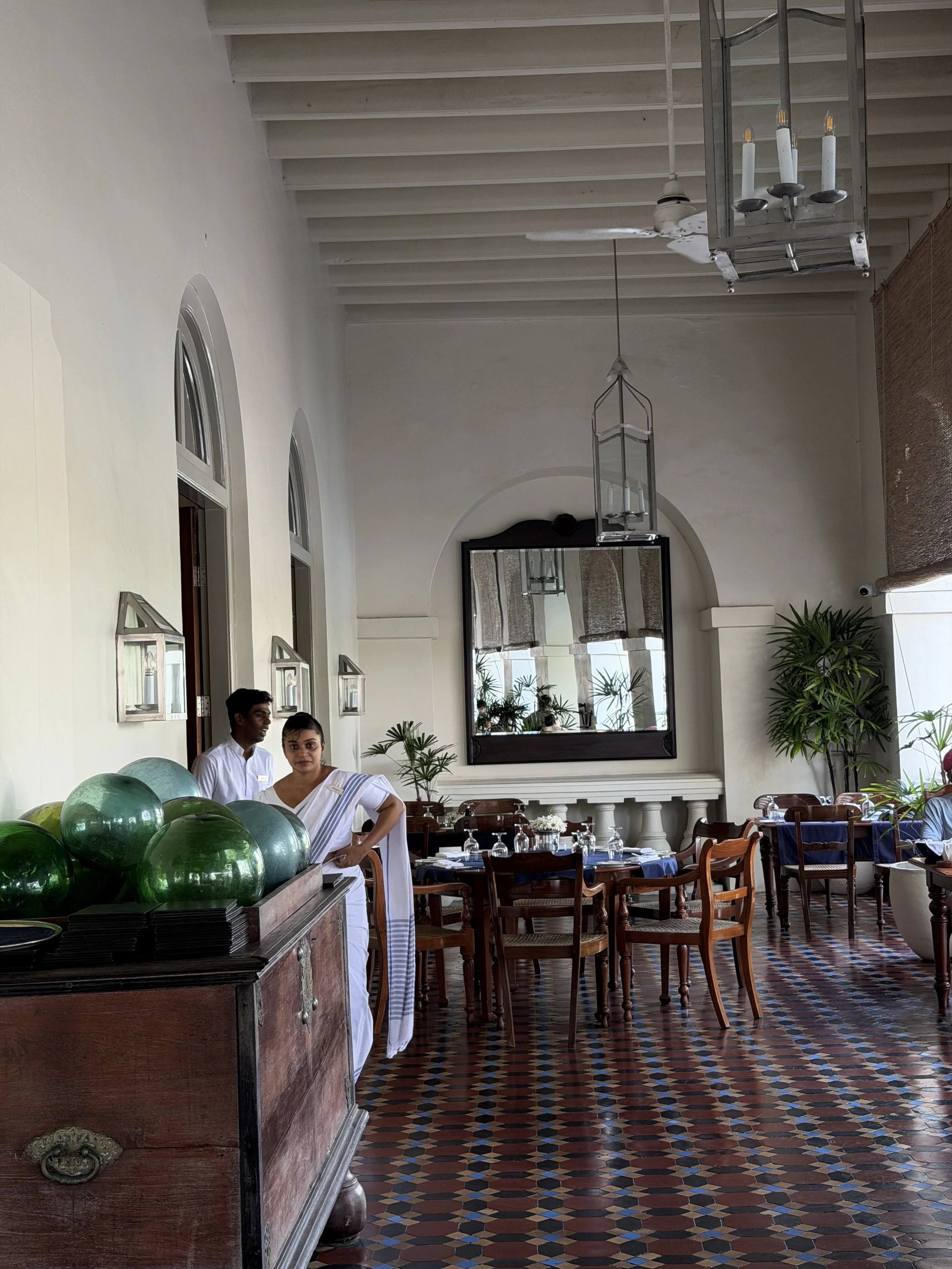
Old world luxury - Amangalla Hotel, Galle
In Pettah, a red post box inscribed with GR for King George sits almost unsuspectingly beside a bald car tyre filled with concrete. Even the humble custard cream, that quiet mainstay of the British biscuit tin, is readily available in supermarkets.
But the story here is not solely British.
At Geoffrey Bawa’s Colombo residence and at his country estate at Lunuganga, outside influences appear in more considered ways. Less in your face Mini Cooper energy, more quiet synthesis.
Born to a Sri Lankan father and Dutch mother, Bawa began life as a lawyer before turning later to architecture. What he left behind feels deeply deliberate. There is no pastiche here. No attempt to impose European forms wholesale onto tropical ground.
Instead, Bawa allows the space itself to do the work. Clear sightlines. Considered light. A calm sanctuary designed for thinking and for living.
His trophies are different too. Murano glass. Indian artwork. Fragments gathered from across the world and absorbed rather than imposed.
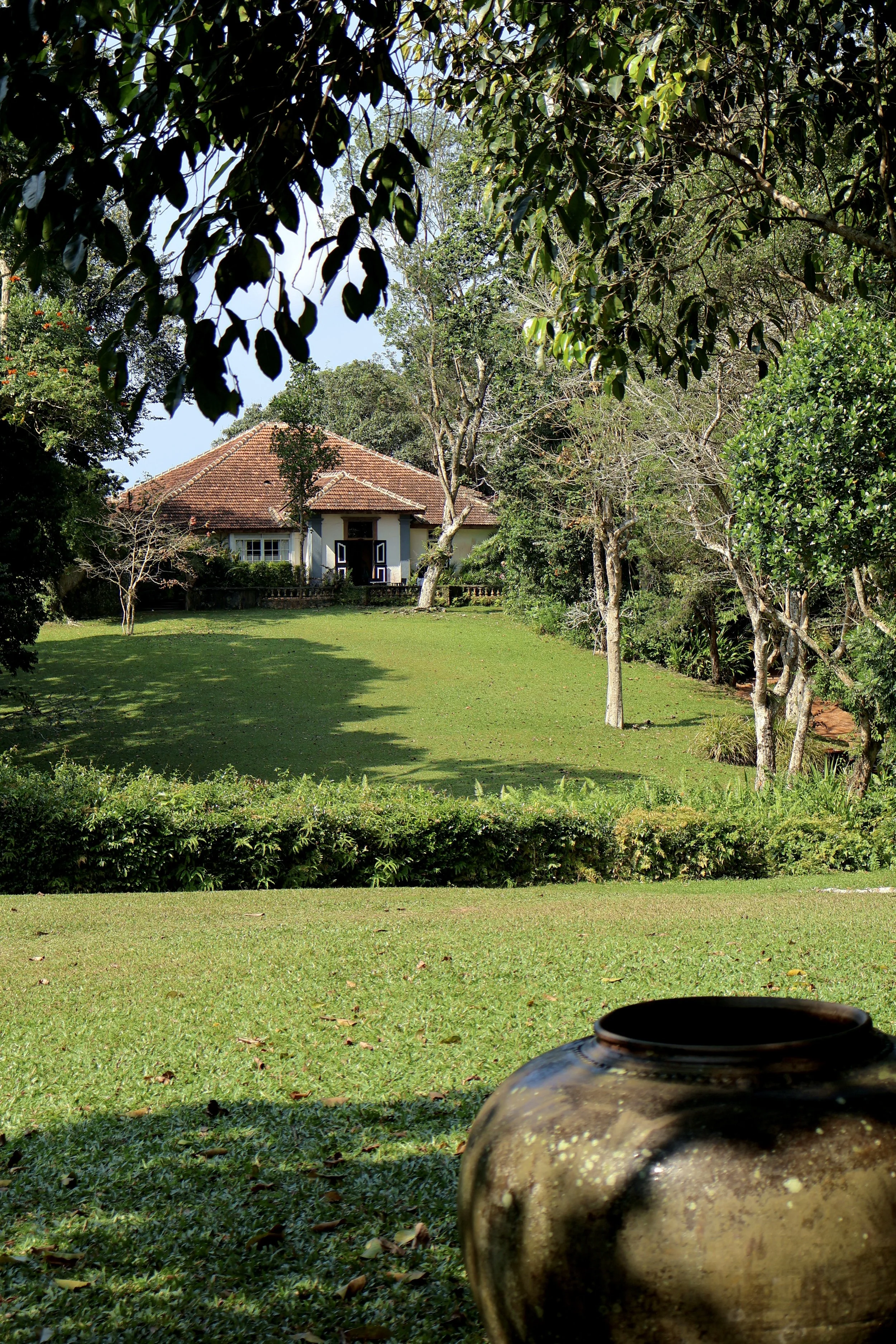
Geoffrey Bawa’s Lunuganga residence
Sri Lanka today feels like a country steadily finding its own feet. After years of internal strain, a modern identity is forming, unevenly but visibly.
Nowhere is this more apparent than along the southern coast, where development and tourist appetite sometimes appear to be outpacing the infrastructure beneath them. Hastily built beachside accommodation sits beside small local shacks selling fruit, snacks, or lottery tickets.
And then a Ashok Leyland bus roars past, and the quiet echo of the old world briefly returns once more.
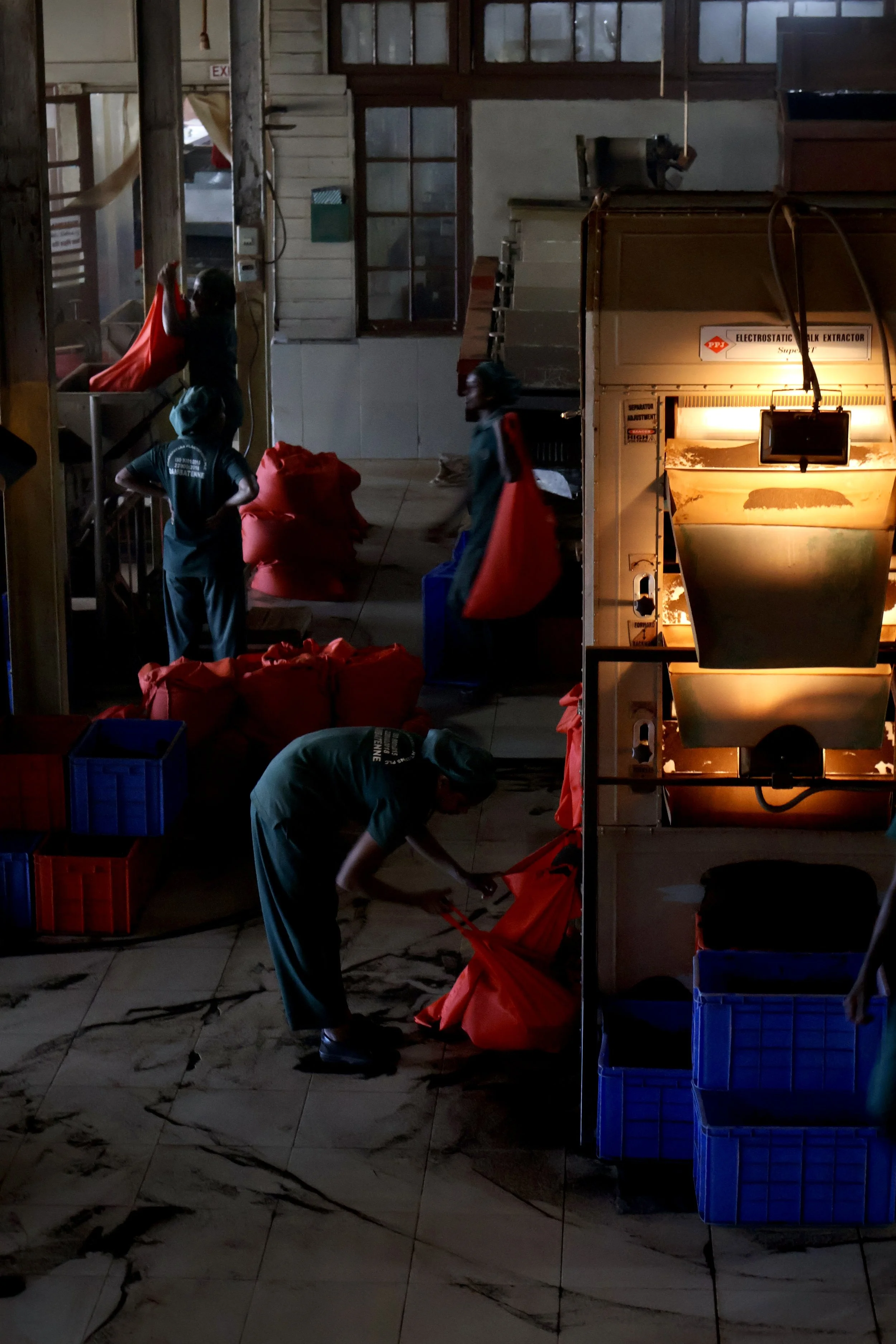
Workers at the Dambatenne Tea Factory
Travel a couple of hours north of the beaches of the south coast and you reach the tea country at Uva. Another relic of the old world, where the country’s first commercial tea bushes were planted by the British. By the early twentieth century, the vast estates that remain today were already in place.
A visit to Dambatenne tea factory, built in 1890 by a Scot, Thomas Lipton, furthers this feeling of the old world. Not only is the factory still standing, but much of the British-made machinery within it remains in operation. Our tour guide was incredibly to show these off to ourselves, from the UK.
However, here too, the stark contrasts of Sri Lanka loom large as workers tirelessly labour in questionable conditions for the equivalent of around £3.60 a day. A reminder that cosplaying with nostalgia has very real downsides for those in the thick of the reality of real life.
It isn’t only ornate architecture, beautiful design and tea-drinking rituals. There is a real human element at play, one where people are exploited today just as they were back then.
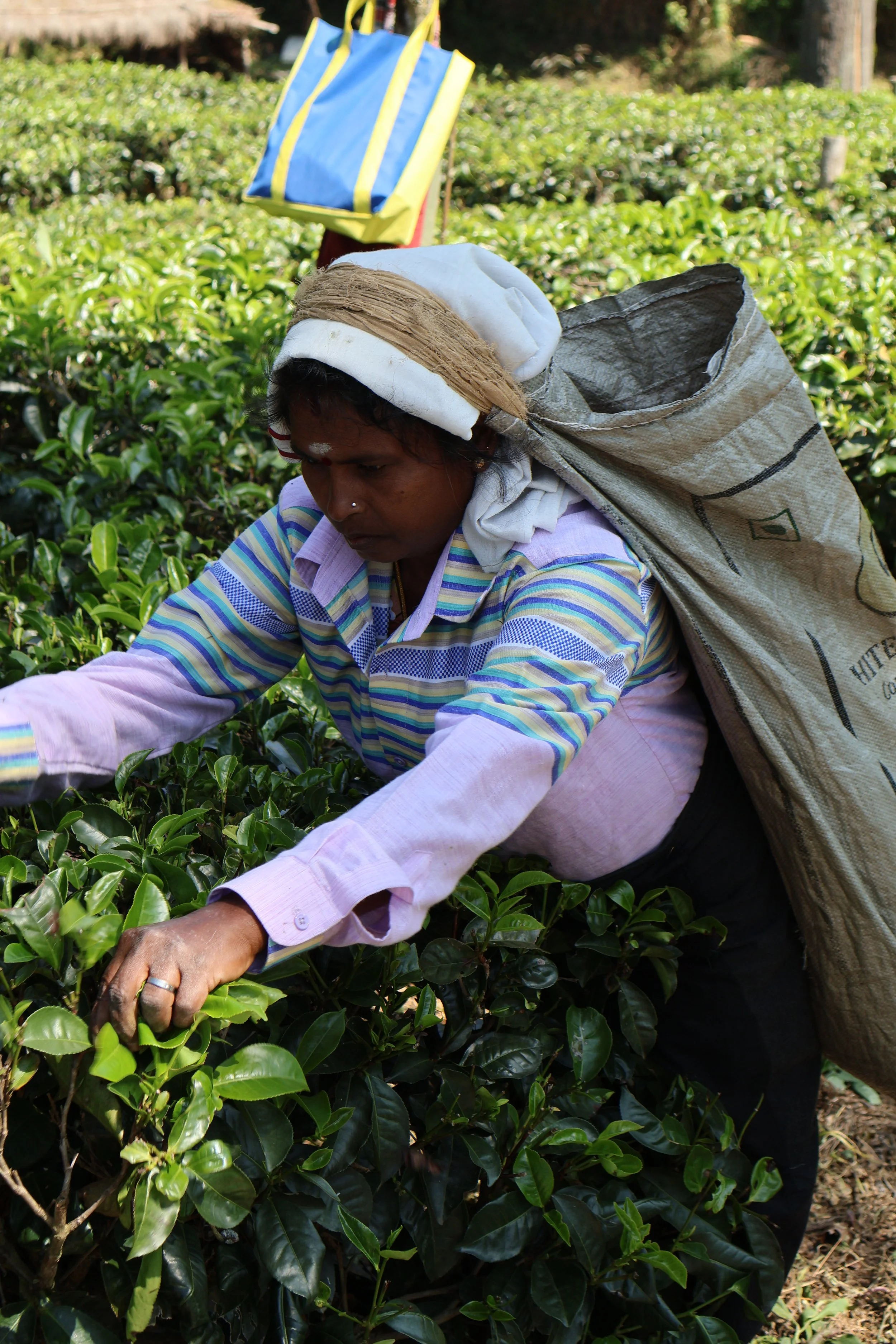
Tea plantation worker in the hills near Ella
It makes me think about how morally difficult it can sometimes feel being a tourist. The natural curiosity and delight of catching a glimpse into a time you didn’t experience; often via small, real-time moments, albeit with modern clothes and modern technology - sits awkwardly beside an awareness of the hardship faced by others.
The balance between bringing much-needed outside money and avoiding the temptation to turn a day trip into a photoshoot of poverty.
Most people don’t like to be uncomfortable when they travel, but perhaps discomfort is an unavoidable part of seeing the world honestly. Something to learn from, to grow from and to try and affect, in your own little way. An opportunity to appreciate beauty whilst also recognising and respecting the difficulties that others live with every day.
As Anthony Bourdain once put it:
“Travel is not always pretty. It is not always comfortable. Sometimes it hurts, it even breaks your heart. But that’s okay. The journey changes you; it should change you.”
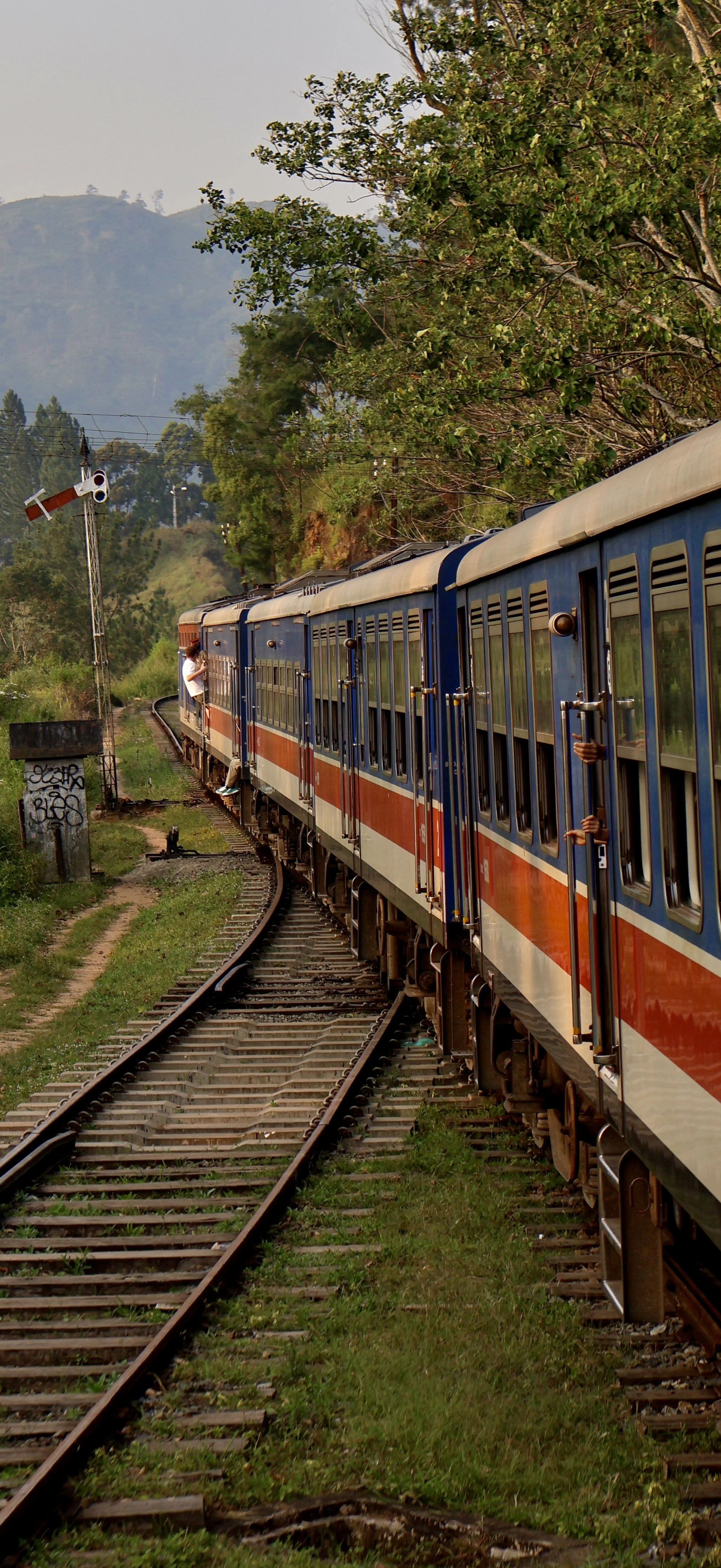
Railway relics from another era
*All photos used were done so with the permission of those photographed*
If you enjoyed this, you might like the below too…

Long before the crowds and chaos, there is a moment of calm. A stillness. An unexpected beauty.
My tuk tuk comes to an abrupt stop outside the Jami-Ul-Afar Mosque in Colombo’s Pettah district. It’s early on a Sunday morning and I am here to take some photos of this colourful area before it all gets too much.
The air is heavy following a downpour overnight. The clouds are thick and grey and puddles linger at the side of the road. I step over one to reach the relative safety of the pavement across from the ‘Red Mosque’, a jewel in Colombo’s architectural crown.