
Blog
-
Recent Posts
-
Blog - Recent Posts -





Look At The Plates
When travelling, there’s a long list of advice people give about how to find a good place to eat:
Eat where the locals eat
Avoid menus with photos
Look for short menus
Check Google reviews
Avoid restaurants with someone trying to pull you inside
All of that can be useful. But there’s another signal that’s quieter and surprisingly reliable.
Look at the plates.
When travelling, there’s a long list of advice people give about how to find a good place to eat:
Eat where the locals eat
Avoid menus with photos
Look for short menus
Check Google & Trip Advisor reviews
Avoid restaurants with someone trying to pull you inside
All of that can be useful. But there’s another signal that’s quieter and surprisingly reliable.
Look at the plates.
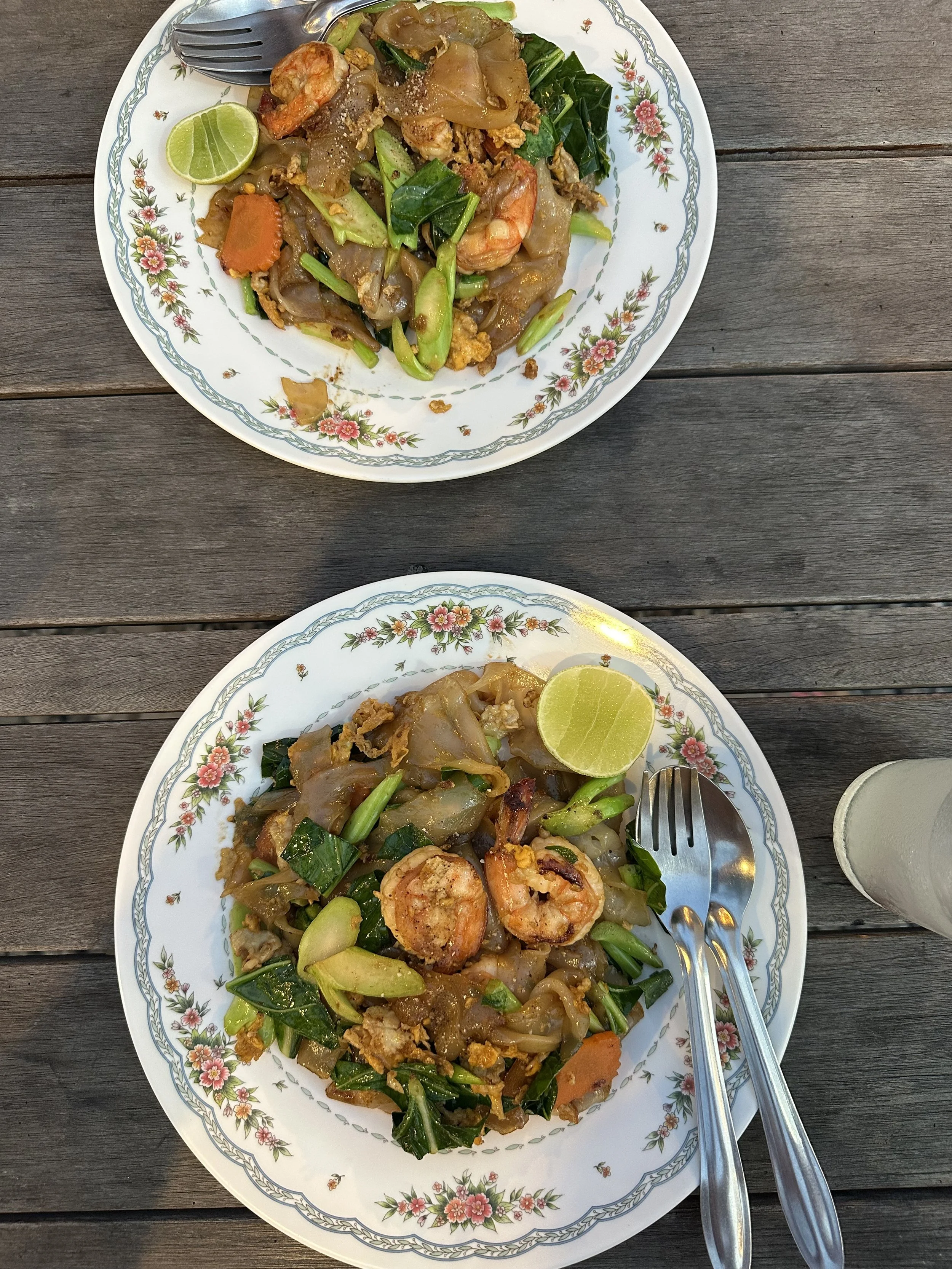
A hallmark of quality - flowery plates. Koh Kood, Thailand.
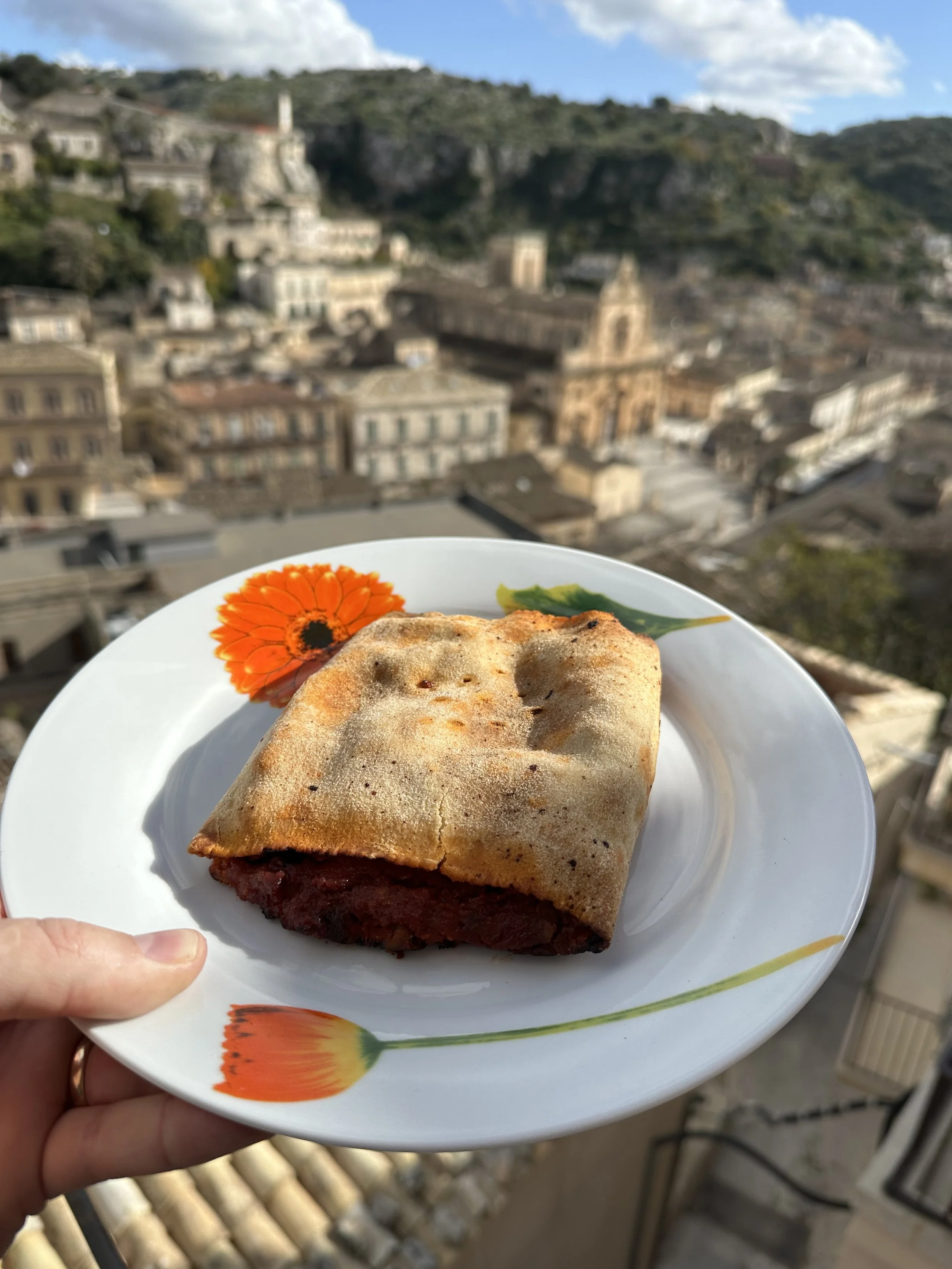
If the plates are old, patterned and slightly mismatched, you’re usually in the right place.
Not modern white restaurant plates - this can be a red herring. Not colourful crockery. Not uniform stoneware chosen by an interior designer. The good places often have plates that look like they’ve been there forever.
Floral prints. Gold rims slightly faded. Different patterns mixed together. The sort of plates that feel like they might have come from someone’s grandmother’s cupboard.
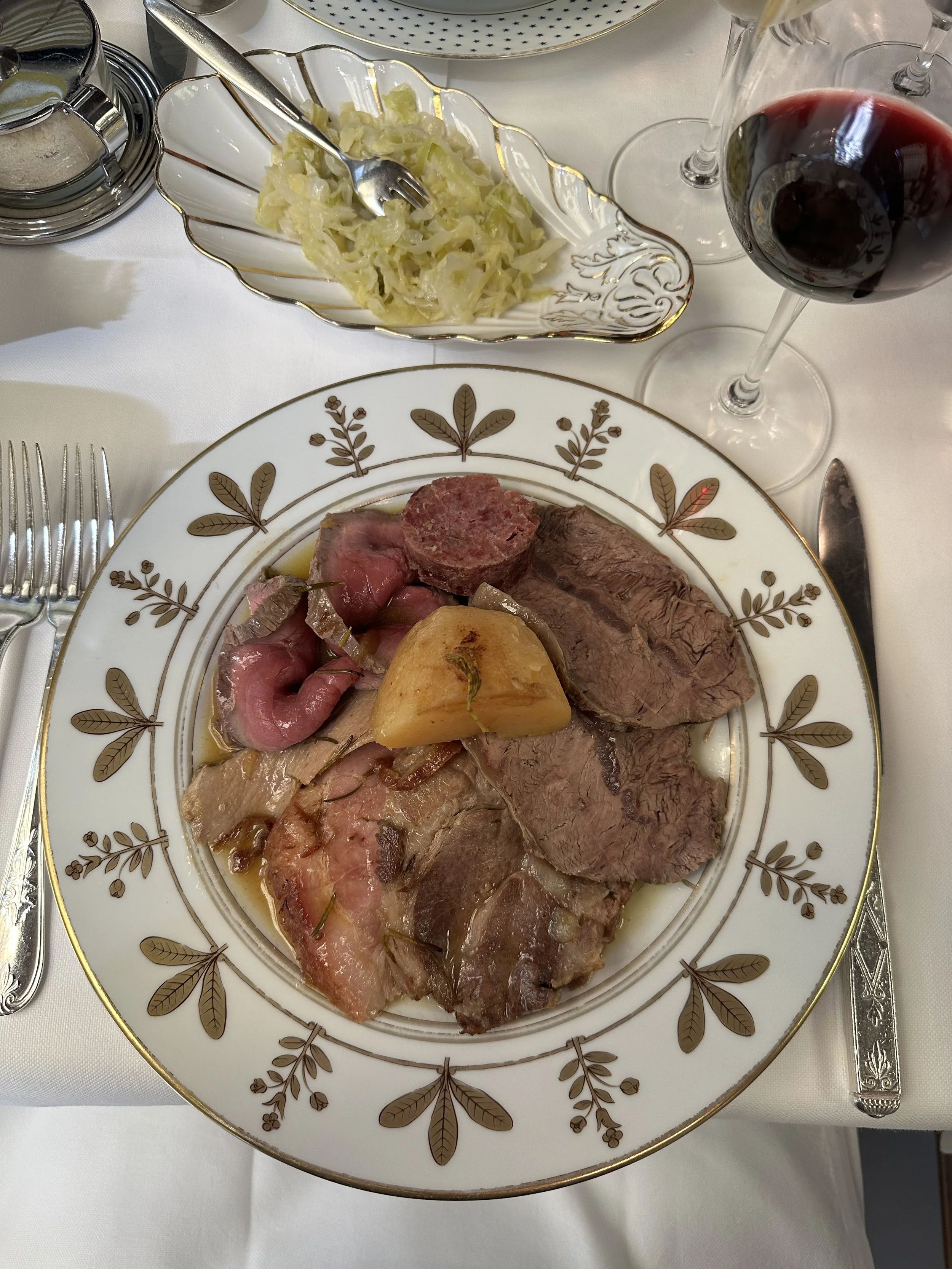
Veronese bollito misto - Locanda Castelvecchio
And that usually means something important. It means the restaurant probably wasn’t designed first and cooked in second. It grew slowly and. It’s probably been serving food long enough that the plates have simply accumulated over time.
Places like this tend to prioritise; home cooking, regular customers, continuity. They don’t generally do it as a concept, branding, or pure aesthetic.
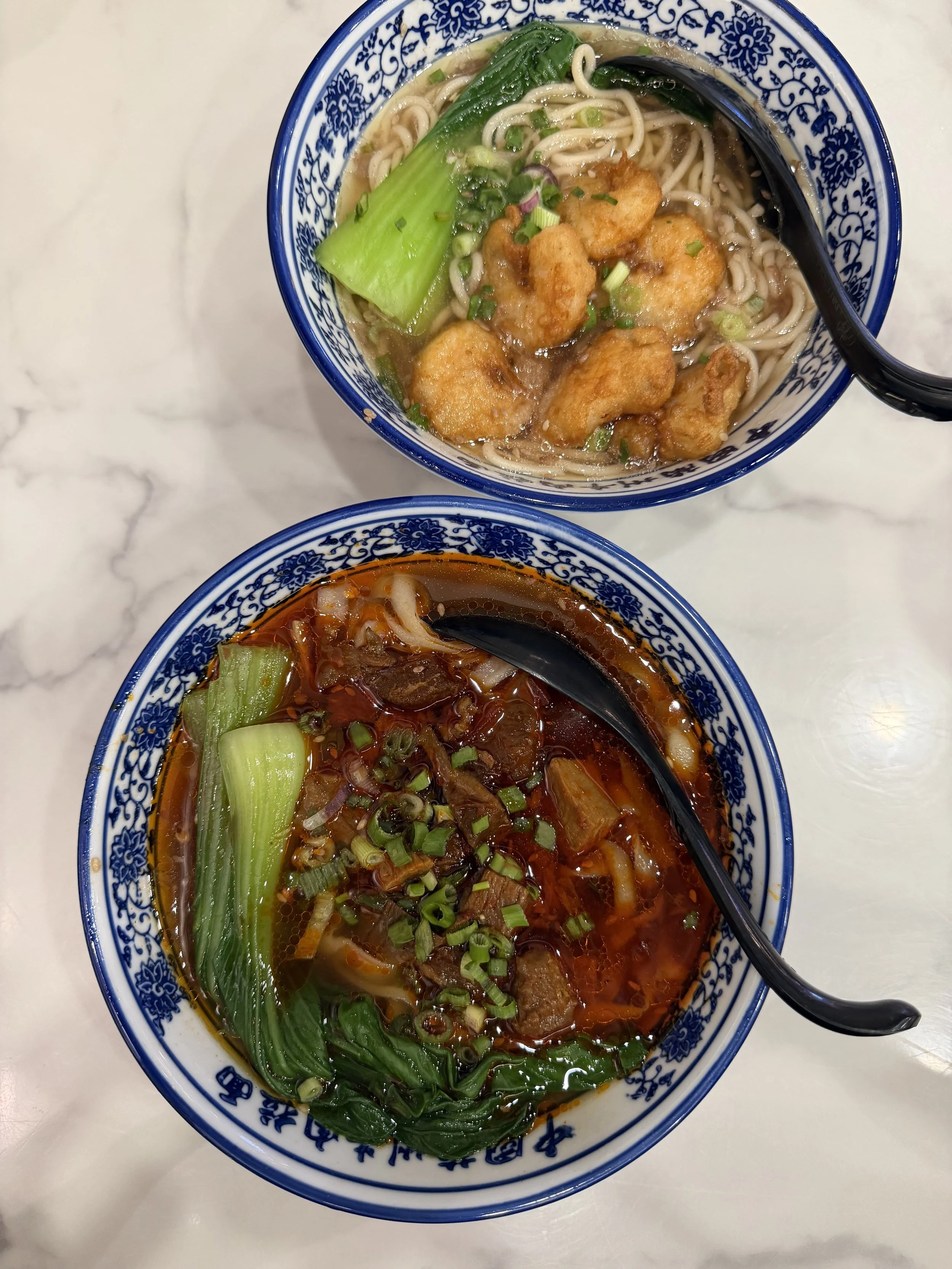
Bowls of goodness in good bowls, Kuala Lumpur
Of course, pre-planning for this is not always possible. Sometimes you only notice the crockery when the food arrives and the plate lands on the table. And when that moment does come, it often brings a quiet feeling of relief. You sit back comfortably in the chair and think, “Ah. This is going to be good.”
If you enjoyed this, you might like the below too…
Pizza, Oh Dear
I interrupt my usual travel writing (no, this is not a travel blog) with something closer to home.
Pizza.
Or more specifically, the endless wave of pizzerias now blighting the UK, spreading across cities like an unstoppable beige tide of sourdough, San Marzano tomatoes, and buffalo mozzarella.
I interrupt my usual travel writing (no, this is not a travel blog) with something closer to home.
Pizza.
Or more specifically, the endless wave of pizzerias now blighting the UK, spreading across cities like an unstoppable beige tide of sourdough, San Marzano tomatoes and buffalo mozzarella.
This week in Sheffield, where I’m from, a new opening arrived in the city centre: Forbici. Already operating in Manchester, it has now headed over the Pennines, bringing yet another Neapolitan-style offering to a city already flooded with them.
And it made me wonder: is there any limit to this copy-and-paste way of feeding people?
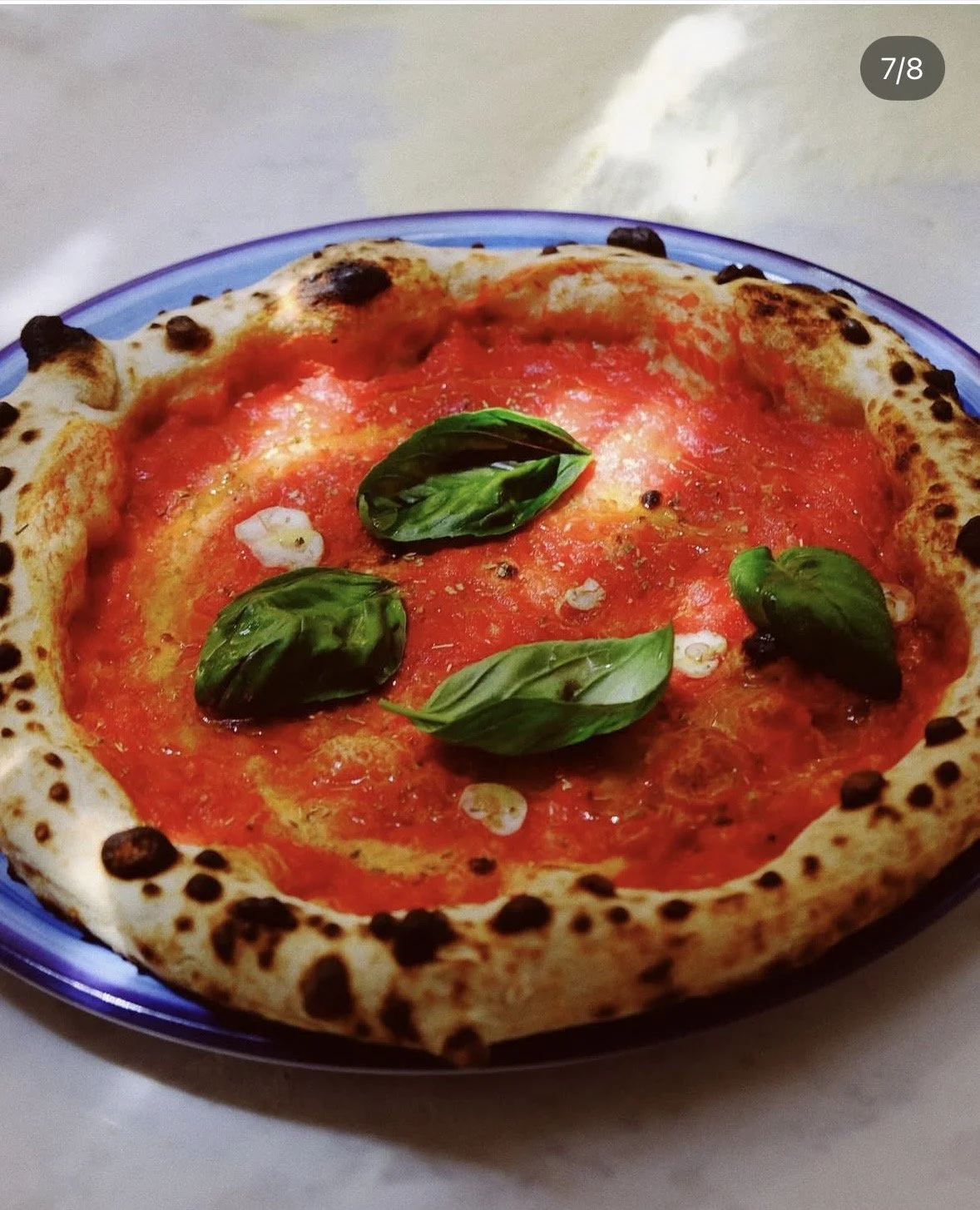
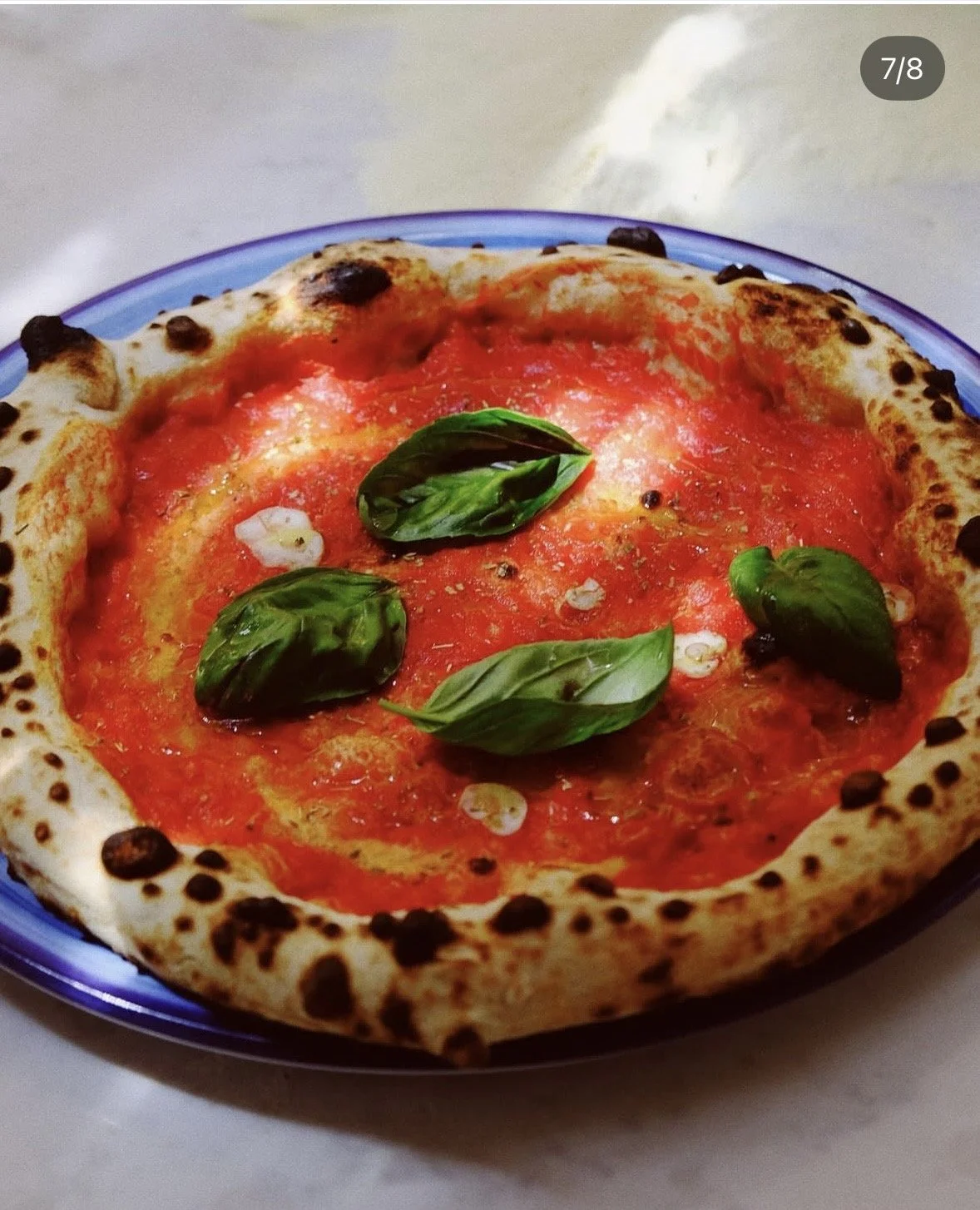
The ubiquitous pizza napoletana
Sheffield, of course, is behind London, which at least now has a more diverse range of pizza sub-genres. London has moved on to Roman slices, New York folds, Detroit trays (admittedly there are also a couple of these in Sheffield), Chicago deep dish, New Haven cult imports, and whatever people are currently calling “London style”.
Sheffield, meanwhile, is still stuck in the mid-2010s hype cycle of all things Naples.
Back to Forbici, though, who have perhaps realised that the Steel City doesn’t exactly have a shortage of pizza napoletana already. And instead of marketing themselves on the familiar holy trinity of best dough, best tomatoes, best mozzarella, they appear to have opted for a slightly more bizarre left-field approach.
Their angle is this:
Come here… because you cut your pizza with scissors… Forbici also translating to scissors, in English.
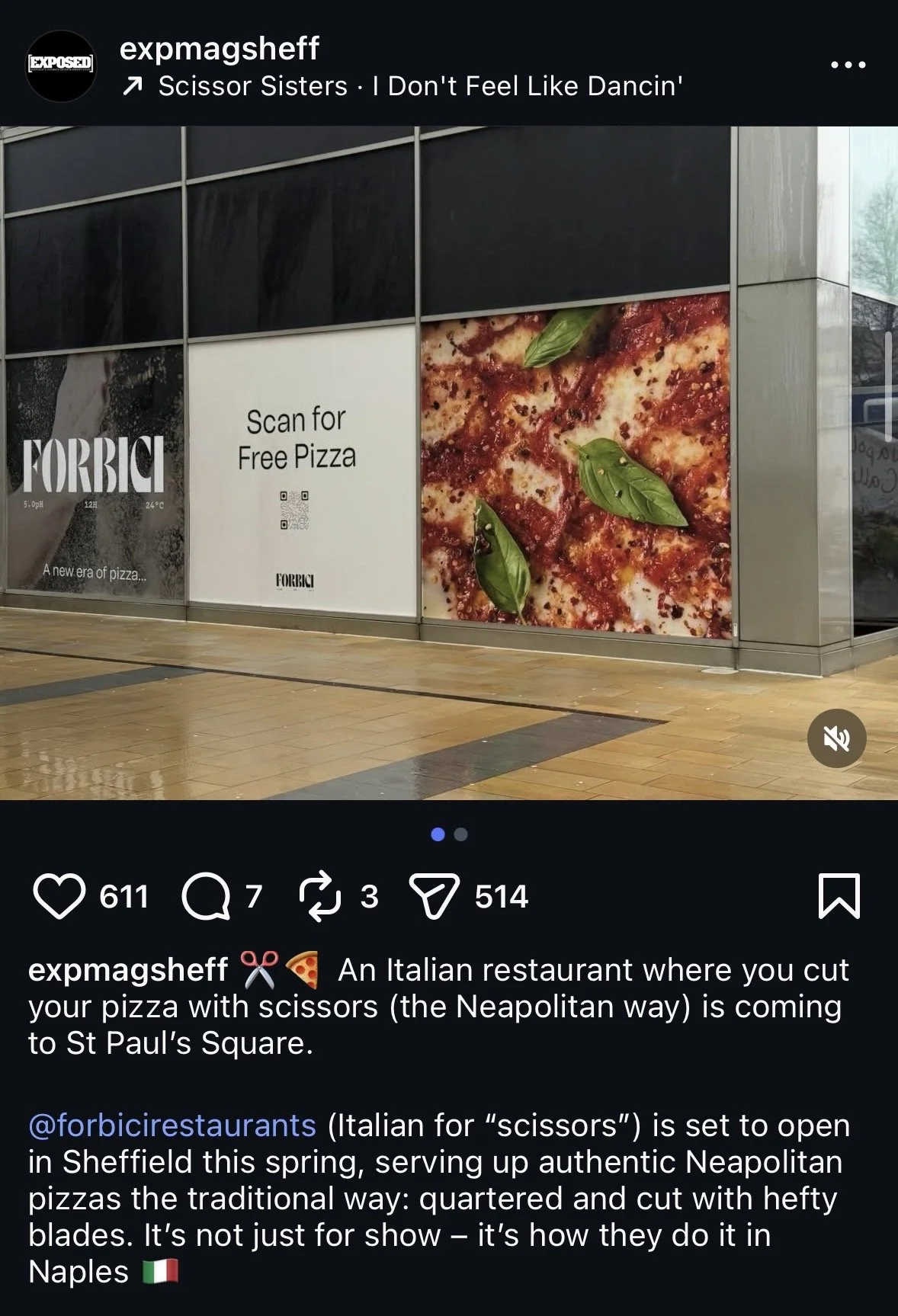
Apparently, this is the Neapolitan way - Here was me thinking the Neapolitan way was either folding it up portafoglio style and eating it on the street, or sitting down with knife and fork, slightly burned fingertips and a look of mild superiority.
In Sheffield, the world leader in manufacturing blades, perhaps the scissors are the most locally authentic part of the experience?
If anything embodies the sheer mass of identikit Neapolitan pizza options now boring many UK cities, it is surely this.
My first question is: why would anyone care about the method of cutting pizza?
People have been managing perfectly well for decades. Entire generations have survived without artisanal scissors. I admit I’ve even used them at home myself, on the rare occasion I buy a supermarket pizza for the oven. It works. It’s fine. It’s not exactly a culinary revelation.
My second question is: how sustainable can this kind of marketing possibly be?
A restaurant built on kitchen scissors feels unsustainable. What happens when the novelty wears off? Do they move on to machetes? Hedge trimmers?
Ironically, their pizza does look very nice. I’m sure it tastes very good. I have no issue whatsoever with Forbici.
My issue lies elsewhere.
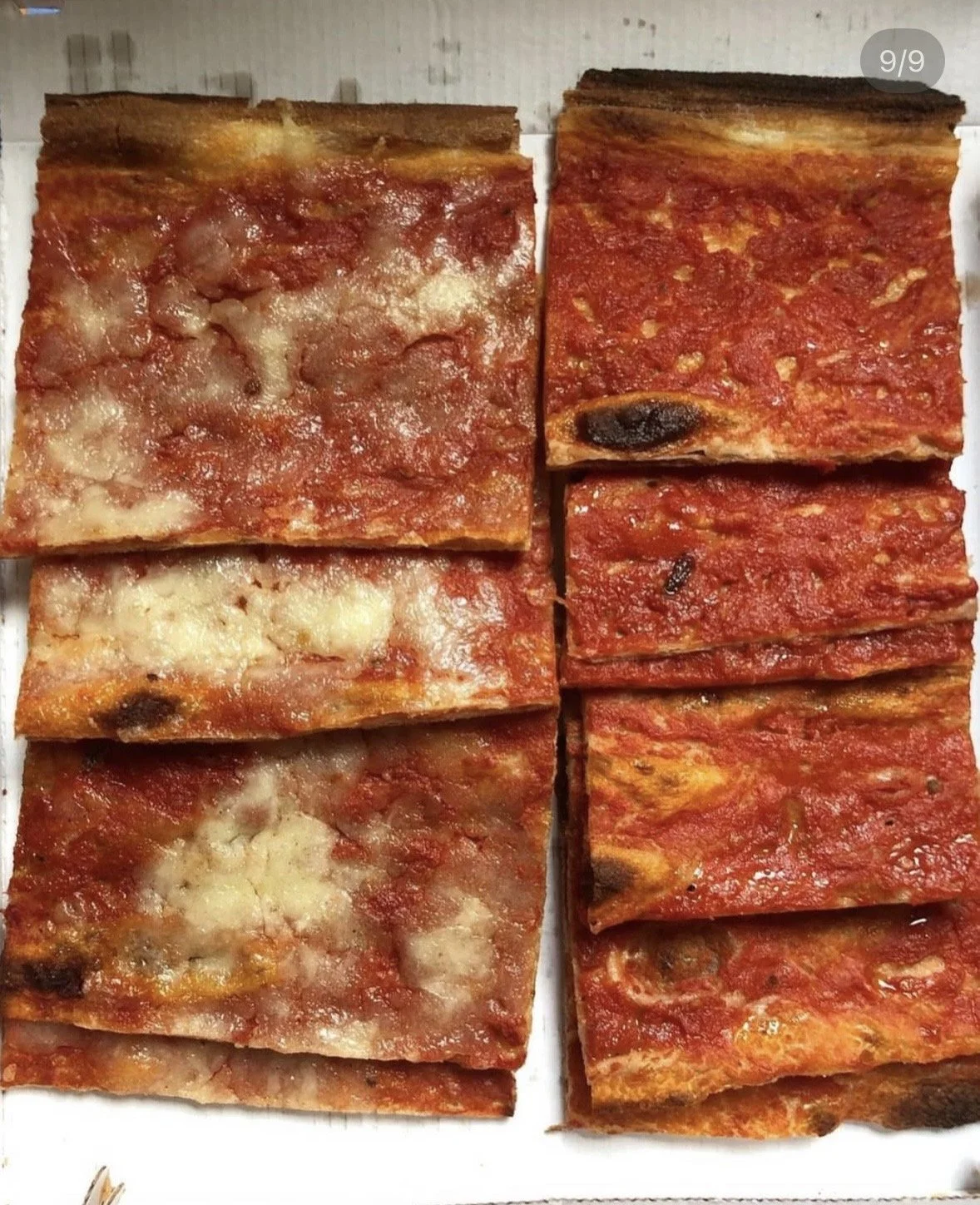
A refreshing change - pizza romana al taglio
It’s the lack of imagination. The sense that outside London, the dining scene has largely become trapped in a loop: the same concept (see also, smashed burgers), the same aesthetic, the same language, the same slightly reverential obsession with Naples, repackaged again and again with some small gimmick taped on top.
And perhaps I’m being snobby. Perhaps I need to loosen up.
But I can’t help feeling it’s a slightly sad reflection of where we are that hype for a new opening is now generated not by flavour, or originality, or even atmosphere…but by the utensils.
All that being said, I know full well that the next time I’m back in Sheffield, I’ll be yearning for one of Napoli Centro’s Maradona-stamped pizza boxes making its way to my door.
Pizzeria… Pizza, oh dear.
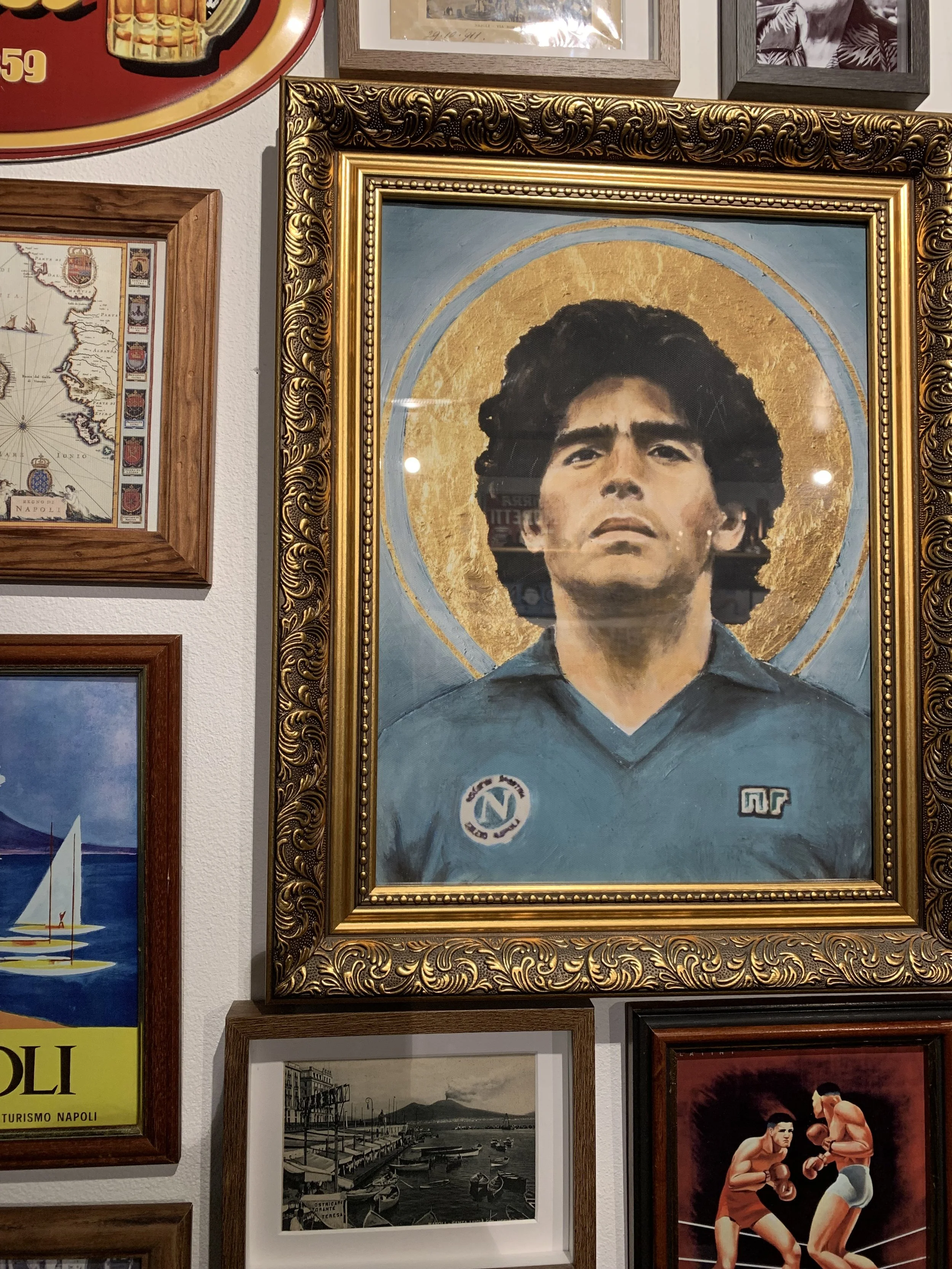
Pride of place - Diego Armando Maradona
If you enjoyed this, you might like the below too…
A Change of Pace
I am now in Koh Kood and shifting here has been a change of pace.
After the bustle of Bangkok, and the constant movement of travelling through Australia, it’s been quietly comforting to spend a couple of weeks in one spot. To wake up without needing to think too far ahead. To let the days arrive as they are.
I am now in Koh Kood and arriving here has been a change of pace.
After the bustle of Bangkok, and the constant movement of travelling through Australia, it is comforting to be spending a couple of weeks in one spot. To wake up without needing to think too far ahead. To let the days arrive as they are.
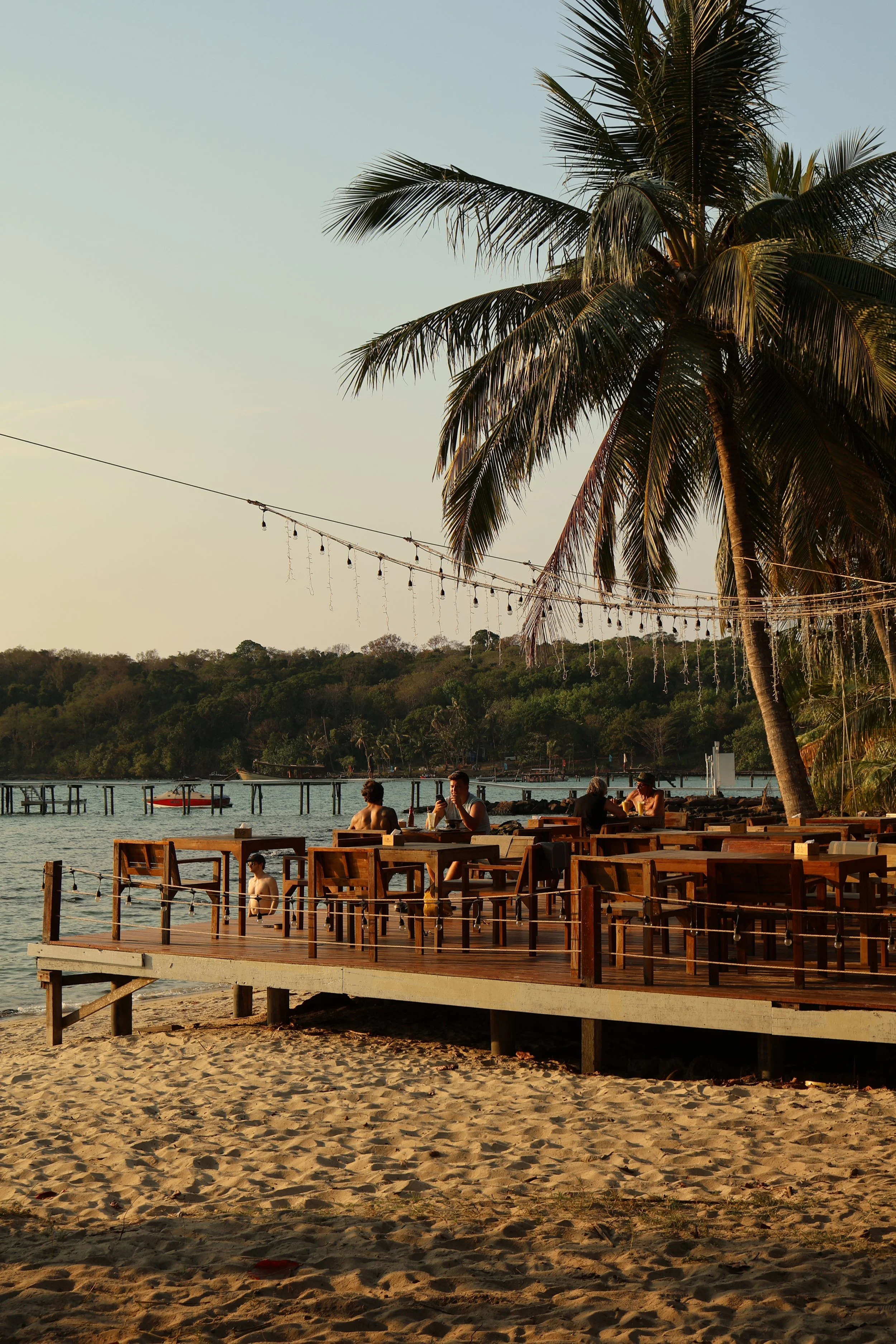
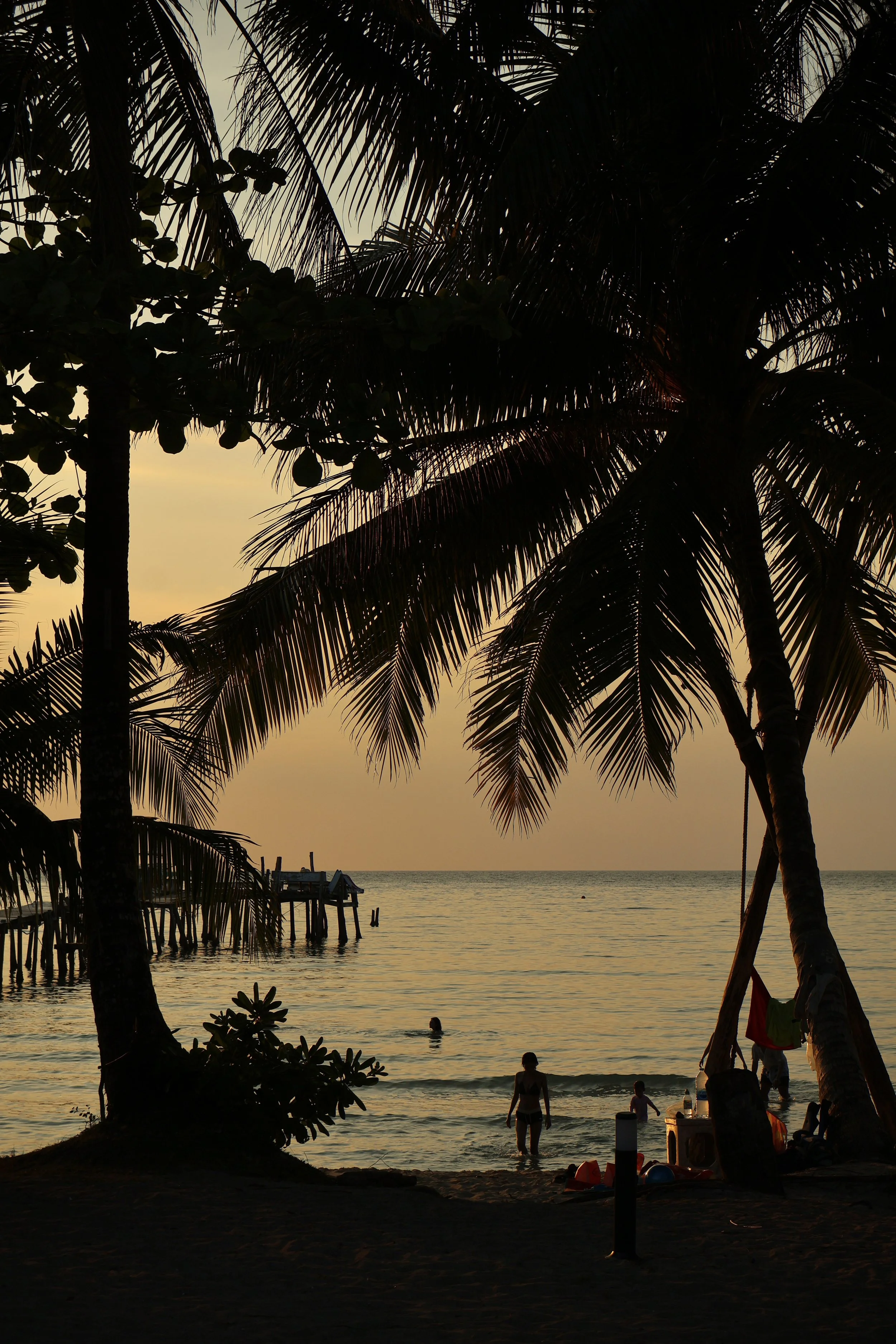
The good life: sunset at Bang Bao beach
Decision fatigue can creep in, even in the fortunate circumstances of travel. Eating out is a perfect example for us. In every new city, we seem to accumulate lists as long as our arms: places we’ve saved, restaurants we’ve read about, spots we don’t want to miss.
And then comes the strange work of it all. Checking menus. Opening hours. Availability. Mapping it onto the shape of the day. In bigger places, even dinner starts to feel like logistics and a chore.
I’m not complaining. We love it, genuinely. Seeking out the revered little trattoria, the neighbourhood bistro, the place that everyone swears is worth it. But after weeks of living that way, it becomes tiring in a way you don’t always notice until it lifts.
Only since arriving in Koh Kood have I felt that weight fall away.
Here, the choice is simple. Two or three places nearby, all serving good food, all more or less the same. The decision is made on mood rather than optimisation. You eat where you feel like eating. And that simplicity is oddly refreshing.
It’s a small reminder of how much quieter life is now.
Living out of a 47-litre backpack reduces the noise also. It narrows the options. It makes the essentials clearer. That doesn’t mean I want to live forever with so little, but it has shifted something in me: a renewed appreciation for how little is actually needed, and how much freedom there is in less.
I used to think freedom meant more options. More possibility. More control. But I’m starting to suspect it might be the opposite. Freedom might be fewer decisions, fewer distractions, and the ability to simply be where you are, without needing to maximise it.
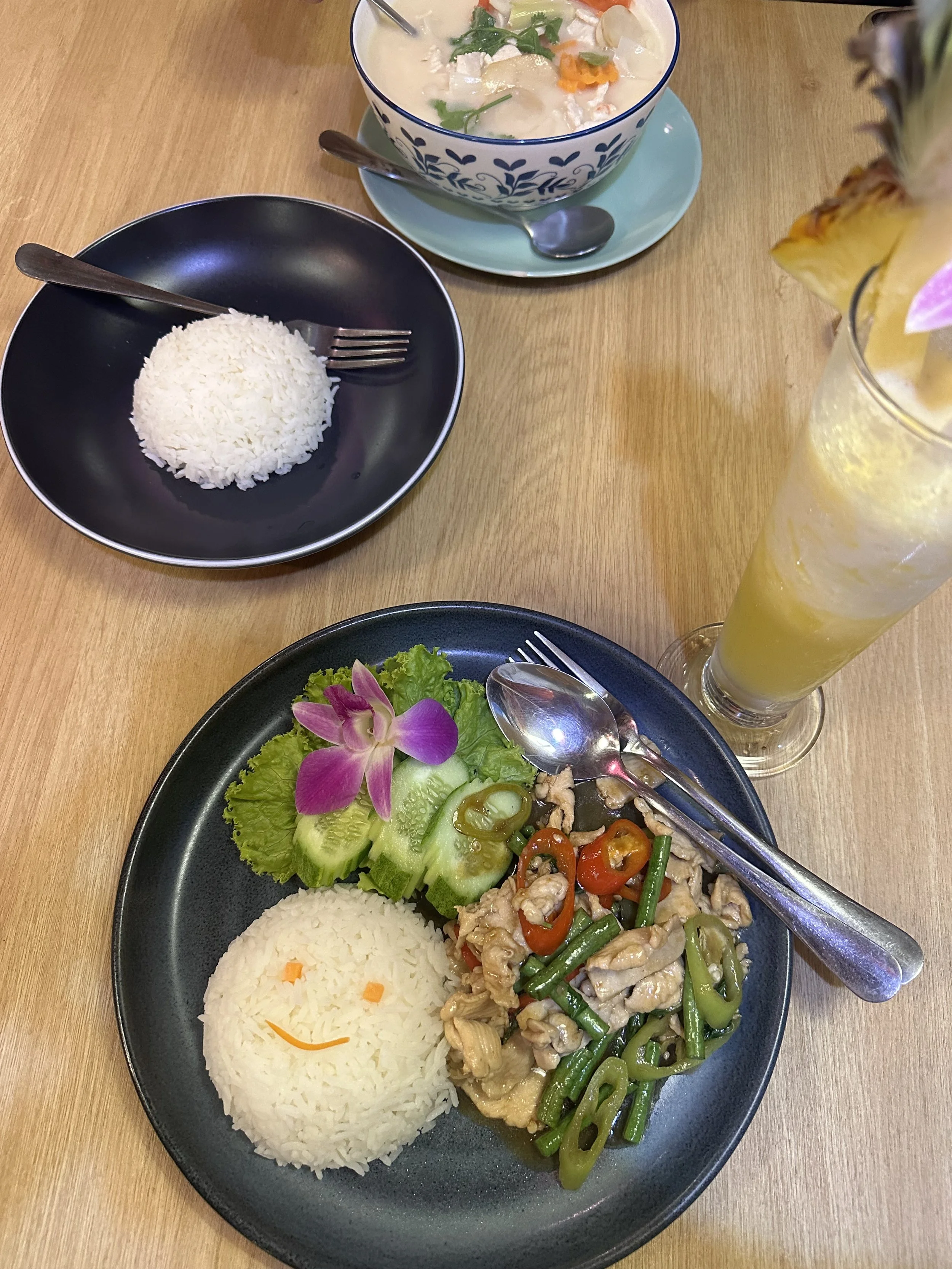
A simple meal that will literally put a smile on your face
If you enjoyed this, you might like the below too…
Unfamiliar Kitchens
Eating out is one of the great joys of travel. I love food and I love trying as broad a range of things as possible while away, ideally local and ideally seasonal. We spend a lot of time planning what and where to eat on our trips to make sure we experience the best and most authentic food a place has to offer.
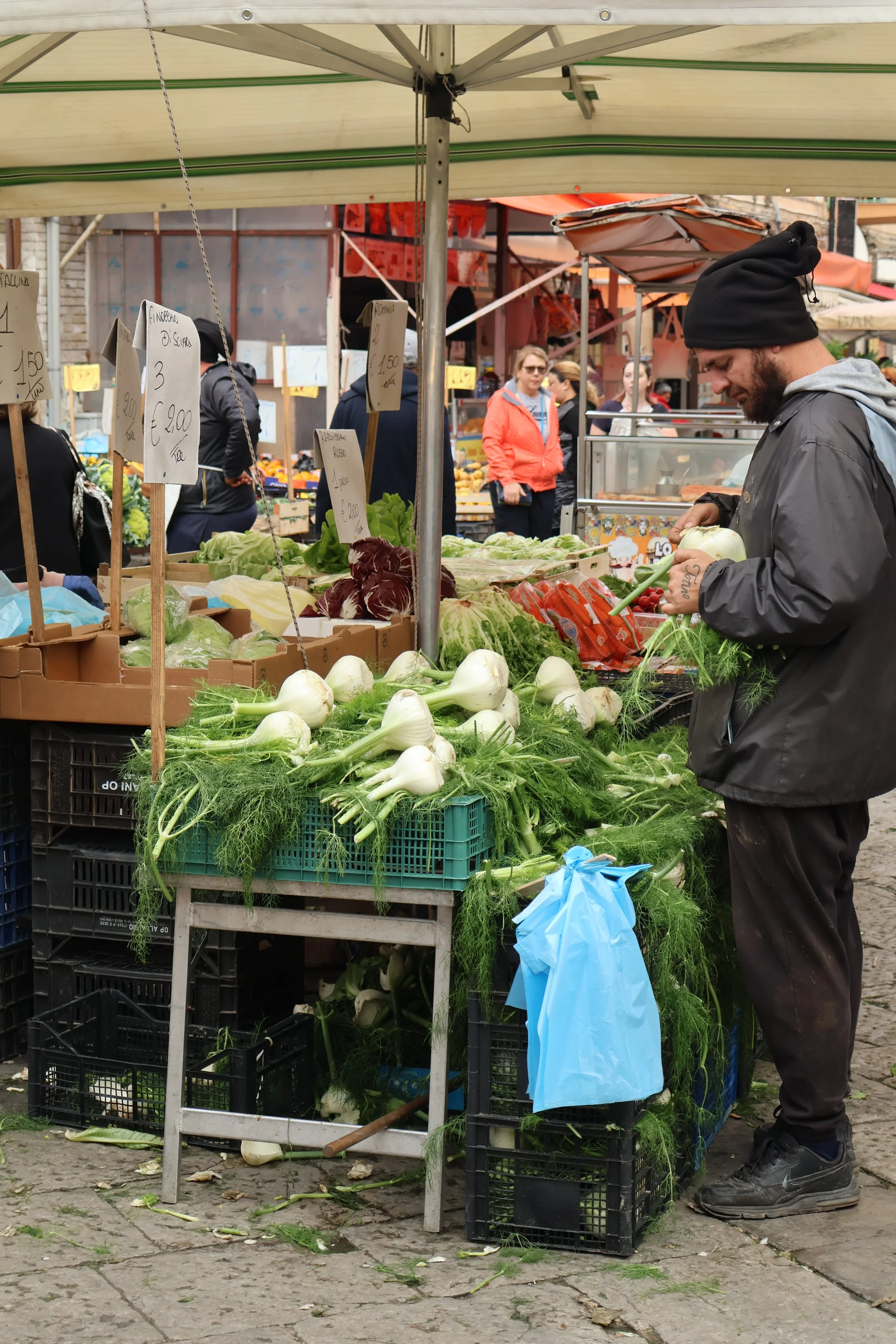
Sometimes, though, it is nice to make use of the kitchen where you are staying. A visit to the local market is always a must. It is one of the quickest ways to understand a place, its rhythms, its people, its priorities.
Eating out is one of the great joys of travel. I love food and I love trying as broad a range of things as possible, while away - ideally local and ideally seasonal. We spend a lot of time planning what and where to eat on our trips to make sure we experience the best and most authentic food a place has to offer.
Sometimes, though, it is nice to make use of the kitchen where you are staying and have a night in. A visit to the local market is always a must. It is one of the quickest ways to understand a place, its rhythms, its people, its priorities.
Then comes the kitchen itself.
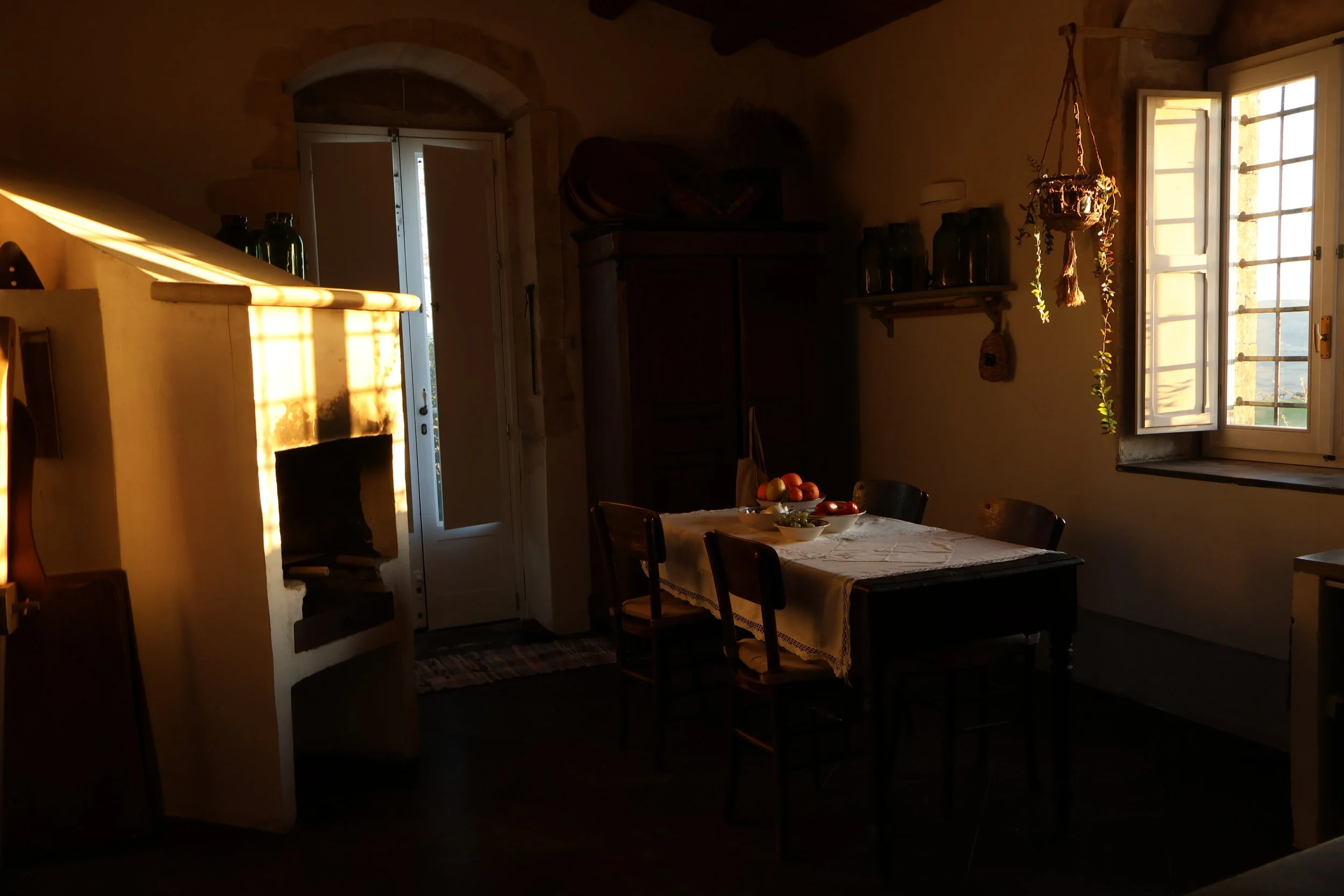
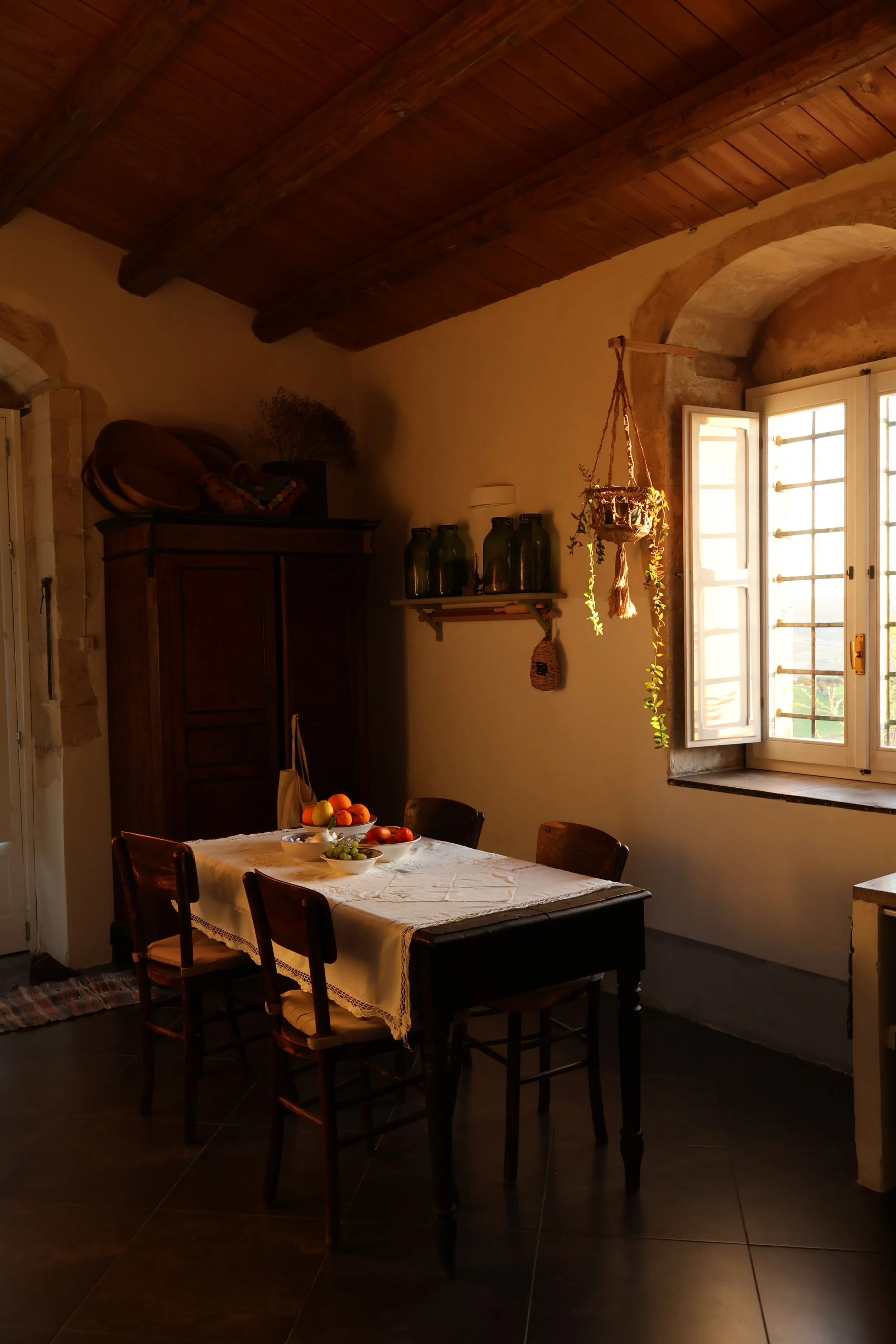
A country kitchen at an Air BnB near Ragusa, Sicily.
Unfamiliar kitchens come with inevitable compromises. The blunt knife. The awful plastic chopping board, or worse, a glass one (which explains the blunt knife). An induction hob paired with a collection of pans that do not work on induction. Leftover salt and olive oil from previous guests. And, lurking at the back of the cupboard, the true heathen: balsamic glaze.
Cooking at home is an intuitive dance. Fridge to chopping board, to bin, to stove, back to the chopping board, then oven, sink, fridge again. A solid nine on Strictly. In an unfamiliar kitchen, this becomes the uncoordinated movement of a drunk uncle at a wedding. Where are the pans? Where did I put the garlic? Is this really the only knife they own?
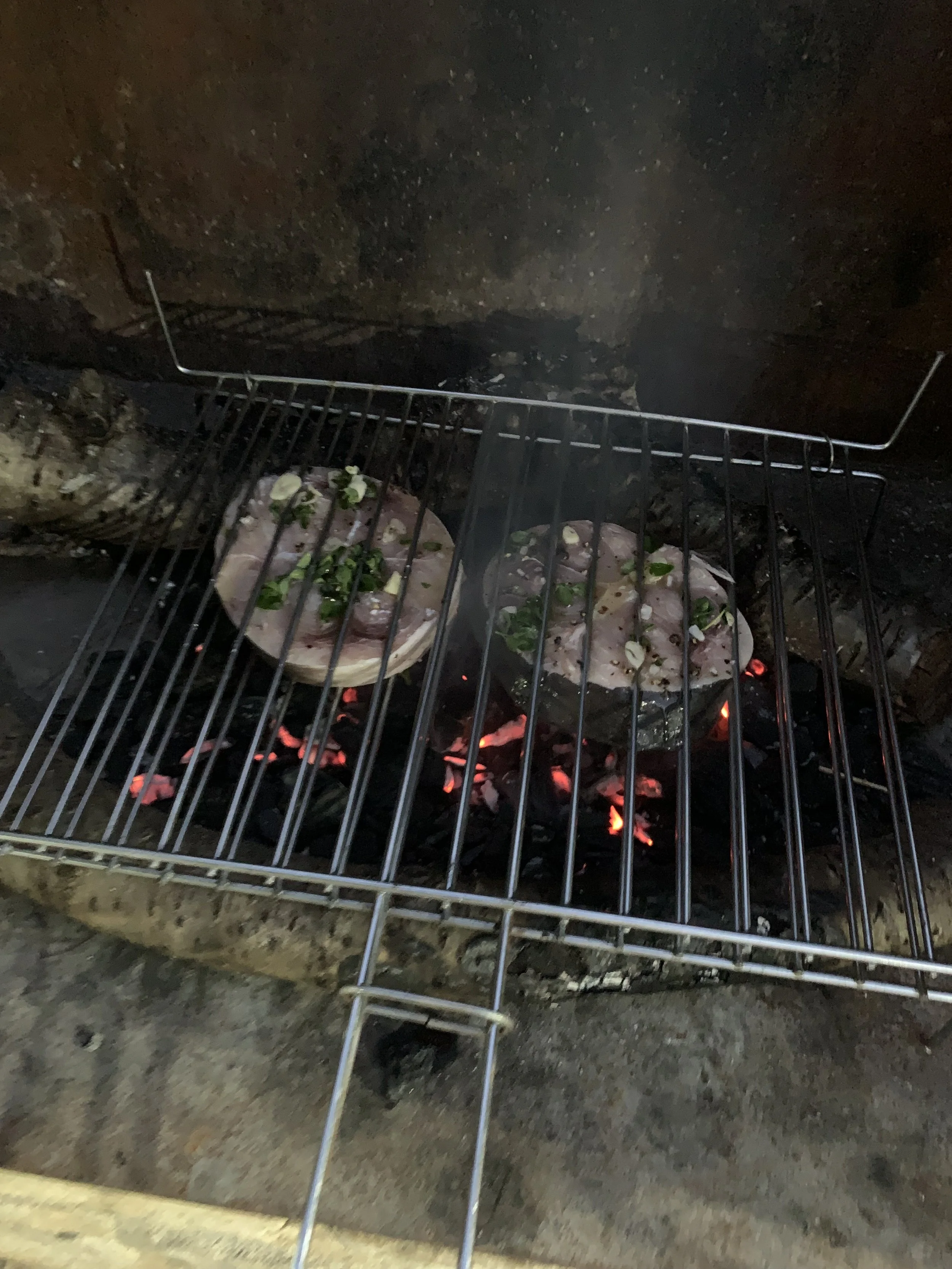
Impatiently attempting to cook Swordfish an old outdoor grill
The fumbling intensifies if you decide to cook outside, or attempt to use an ancient wood oven. Spoilt by modern conveniences but instinctively drawn, like most men, to the primal appeal of cooking over open flames, you cannot resist. Hours are spent coaxing heat from wood and embers, trying to judge timings so that dinner does not quietly drift into midnight.
Serving presents its own challenges. No kitchen tongs. No proper serving spoon. Plates in questionable colour pallettes. Wine poured into a glass clearly designed for fizzy pop. It all pulls you out of your comfort zone, and somehow that is part of the appeal.
Once the frustration fades, you realise none of it really matters. A first-world problem, as they say. But it is a small and welcome reminder that travel is not all glamour and carefully curated feeds. Sometimes it is blunt knives, bad pans, and wine in the wrong glass. And somehow, that makes the experience richer, not poorer.
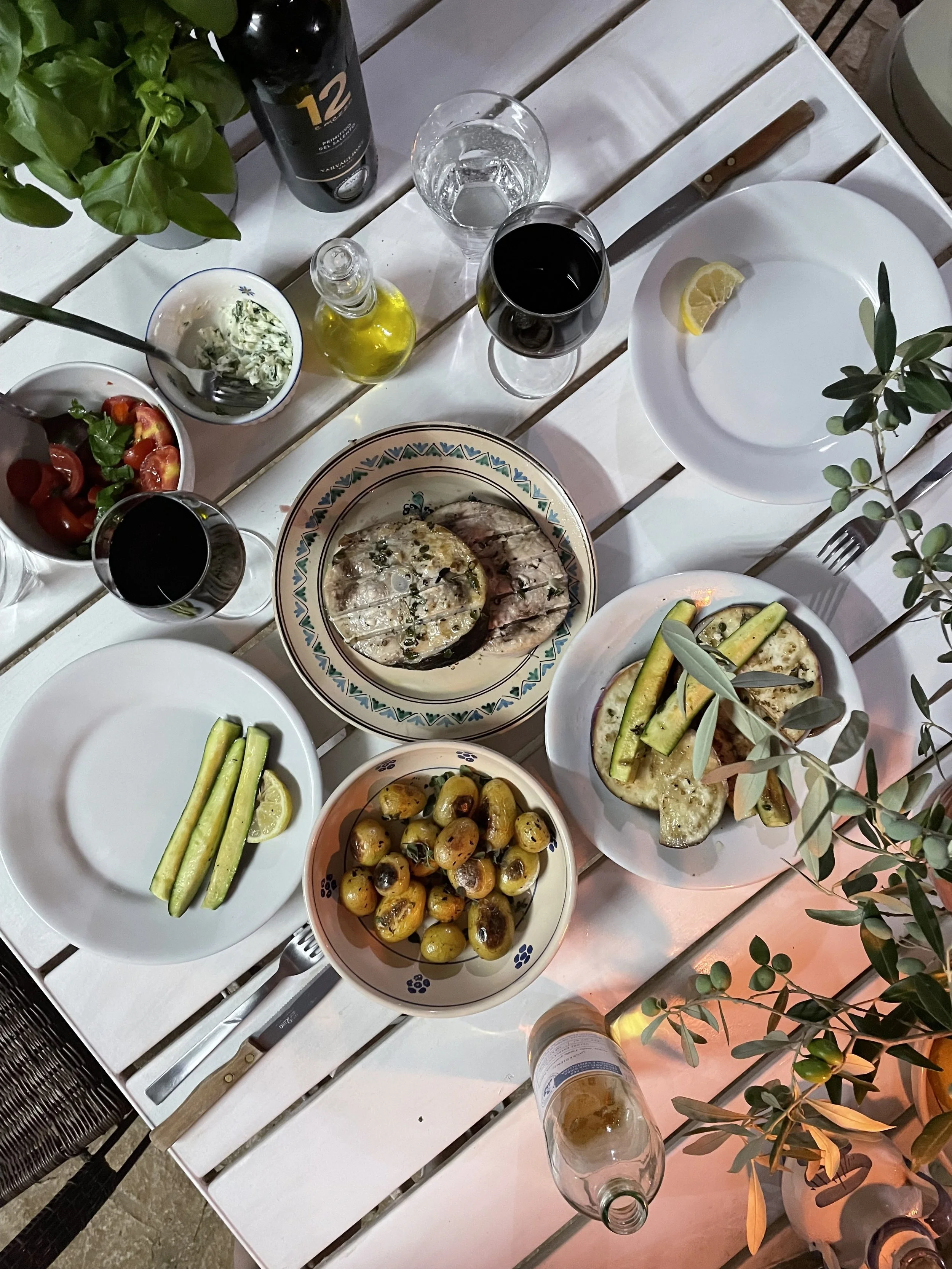
From an unfamiliar kitchen - nice ceramics and even some wine glasses, but a challenging cooking set-up
If you enjoyed this, you might like the below too…
Trattoria Aldo
We take a left from the busy streets of the market. Catania is as edgy as I recall - the dark grey buildings, narrow streets and looming Mount Etna giving it a totally different feel to the baroque hillside towns of the Val Di Noto, where we have just come from.
With the turn we enter a steer that is strewn with half empty boxes and litter from the market stalls and one which is far quieter, almost devoid of people. We quickly approach a sign saying ‘Aldo, piano no.1’ with an arrow pointing up a suspect looking staircase.
We take a left from the busy streets of the market. Catania is as edgy as I recall - the dark grey buildings, narrow streets and looming Mount Etna giving it a totally different feel to the baroque hillside towns of the Val Di Noto, where we have just come from.
With a turn we enter a street that is strewn with half empty boxes and litter from the market stalls and one which is far quieter, almost devoid of people. We quickly approach a sign saying ‘Aldo, piano no.1’ with an arrow pointing up a suspect looking staircase.
We head up and I try my best to look confident and unfazed at stepping into the unknown, all the while wondering if this is going to be worth the impeccable tip off I’ve been given to visit here.
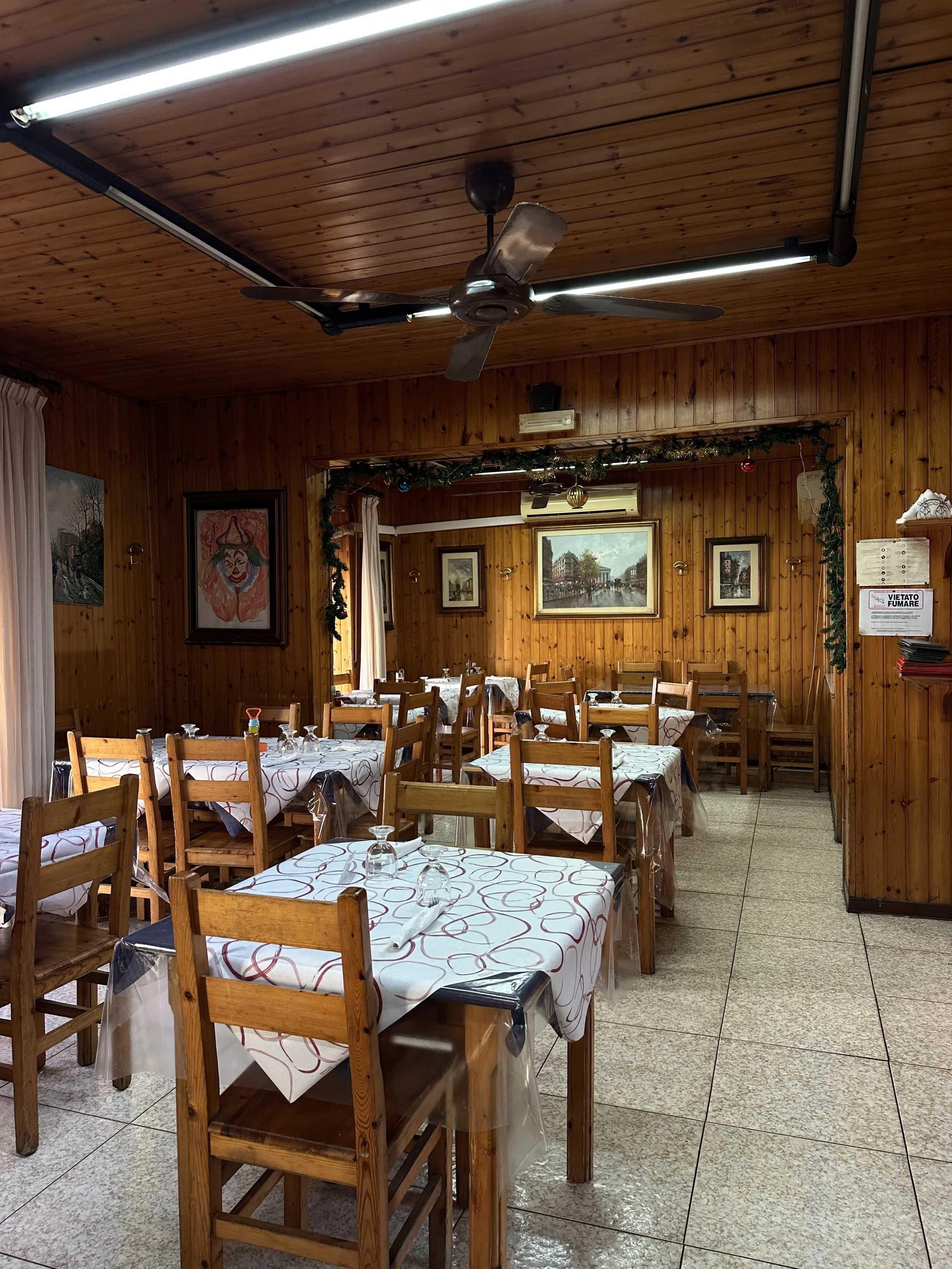
Simplicity is king at Trattoria Aldo
Through some glass doors at the top of the stairwell and we are into a wood-panelled heaven (always a hallmark of a quality traditional eatery, in my experience), adorned with a mix of paintings featuring early 20th century Paris and in a shift in artistic taste, clowns. A smattering of Christmas lights flash to a sombre rhythm in the near-empty dining room. We are early to lunch by Italian standards and as such, pretty much have the place to ourselves.
We are seated at a simple table with a paper table cloth and passed a menu with a mix of typed and handwritten items. The service is prompt and we opt for the becaffico (meaning little fig-pecking bird) - grilled sardines stuffed with breadcrumbs, herbs, raisins and pine nuts. Orata (bream), tomato salad and the antipasto option, which at Aldo is a buffet option containing an excellent range of vegetable dishes such as grilled courgettes, caponata, fritatta, spinach, wild mushrooms and fried cauliflower, to name but a few.
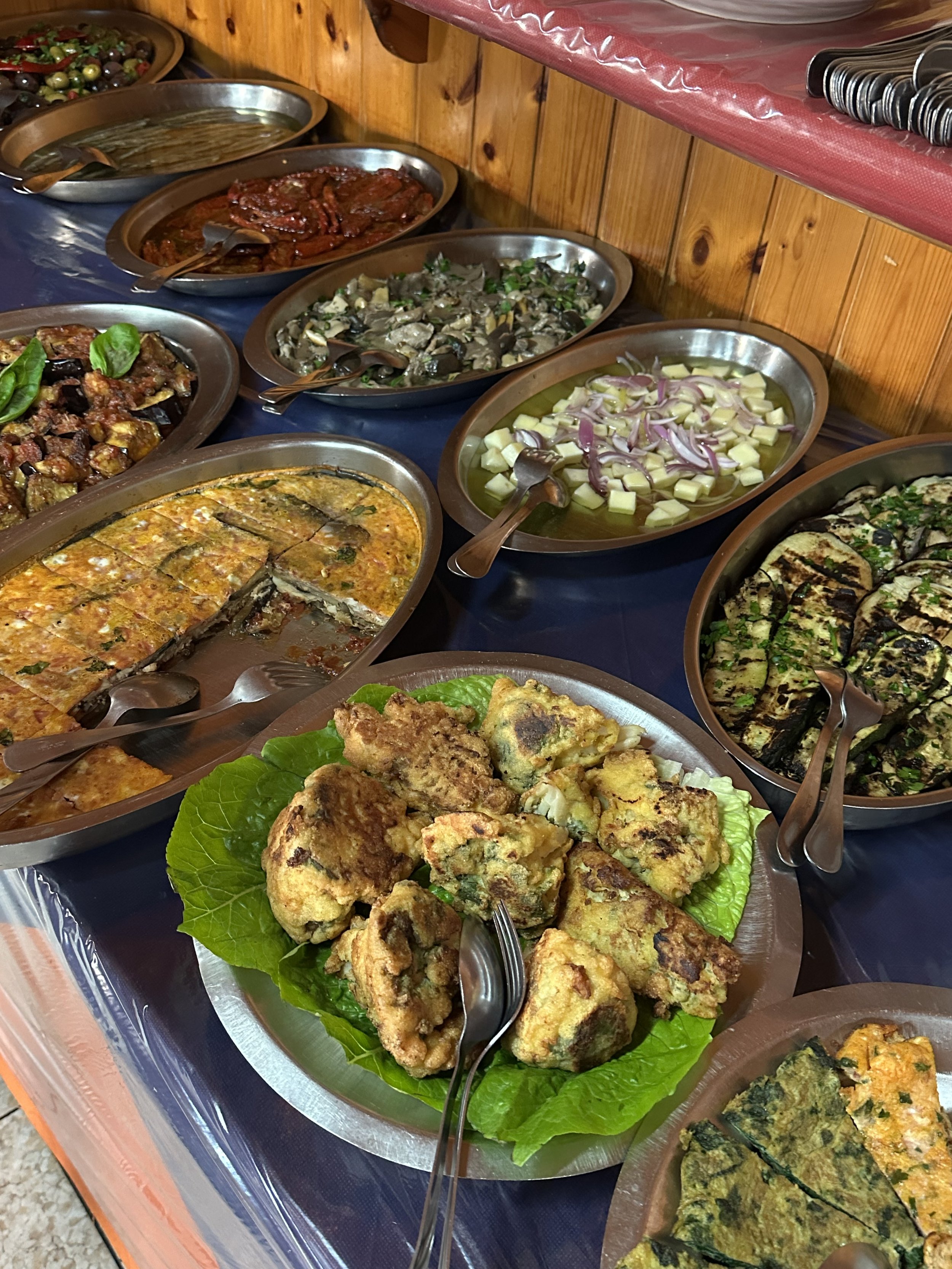
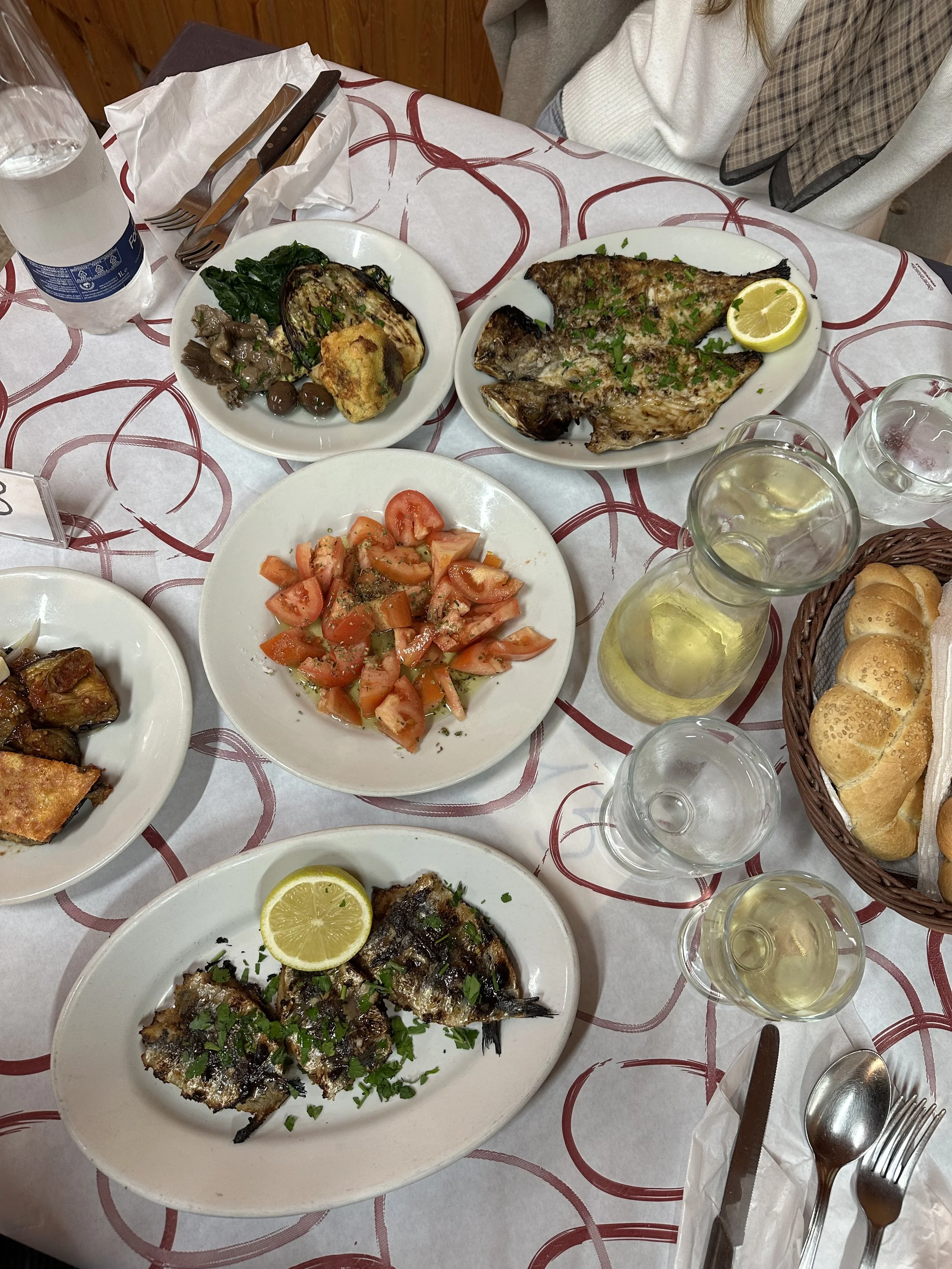
Antipasti selection - a real bargain and a great way to eat
However, the best is yet to come as when we ask for a glass of wine each, the waiter tells us that we “might as well” order the half-litre carafe of wine as it’s only €4 instead of the €5 for two glasses. Not wanting to let stereotypes of tight fisted Yorkshiremen down, I eagerly accept. We chat about how ridiculously well-priced it is, for what turns out to be better than many white wines you’d pay at least twice as much for, by the glass, in a bar at home.
Our food arrives and we select our antipasti from the communal buffet table and dig in. Everything is so simply cooked, but to a very good level of quality. There’s no pretension here. The food does all of the talking and as we eat, we discuss that these types of places are far more enjoyable to dine in than many restaurants with a higher price tag, for a lower standard.
Our meal, including the excellent beccafico
It felt so connecting eating in a trattoria such as this, whose only opening hours are 7 am to 4 pm - a reflection of its position by the market and its main clientele. These are exactly the types of places I want to eat when travelling, as they’re unashamedly local, have tasty dishes at a very reasonable price and have the kind of aesthetic that’s now a dying breed.
Here’s to places like Trattoria Aldo continuing for many more years yet!
If you enjoyed this, you might like the below too…
When travelling, there’s a long list of advice people give about how to find a good place to eat:
Eat where the locals eat
Avoid menus with photos
Look for short menus
Check Google reviews
Avoid restaurants with someone trying to pull you inside
All of that can be useful. But there’s another signal that’s quieter and surprisingly reliable.
Look at the plates.